

-Mar-31-2026-12-34-24-2549-AM.png "The Importance of Theatre")
“I regard the theatre as the greatest of all art forms, the most immediate way in which a human being can share with another the sense of what it is to be a human being.” —Oscar Wilde
Over time, theatre has been many things for me. From a young age, I remember sitting in my seat and waiting for the curtains to open, anticipating the delight and magic that would unfold as the story began. As I grew older, I experienced theatre that would challenge me and make me feel so much more than just anticipation and delight. It was capable of moving me to feel emotions, to see life from someone else’s perspective, or to travel back in time and revisit classics and legends and experience an entire spectrum of emotions, all while sitting in my seat.
As I began to spend more time behind the curtain, learning about the world of theatre, I don’t think that I truly realized all that was involved. I had never taken time to consider what I was receiving in return for my enthusiasm and desire to be on stage. Theatre not only gives to the audience who have come to watch but also brings many benefits to those behind the curtain. Theatre teaches so many skills to our students, whether they are stepping on the stage for their first official performance in third grade or performing in a play as a more experienced senior. Some of the benefits are obvious, while others may not be so evident, but all point to why this fine art has stood the test of time and why it is an important part of our students' education at Faith Christian School and is valued as part of a classical education.
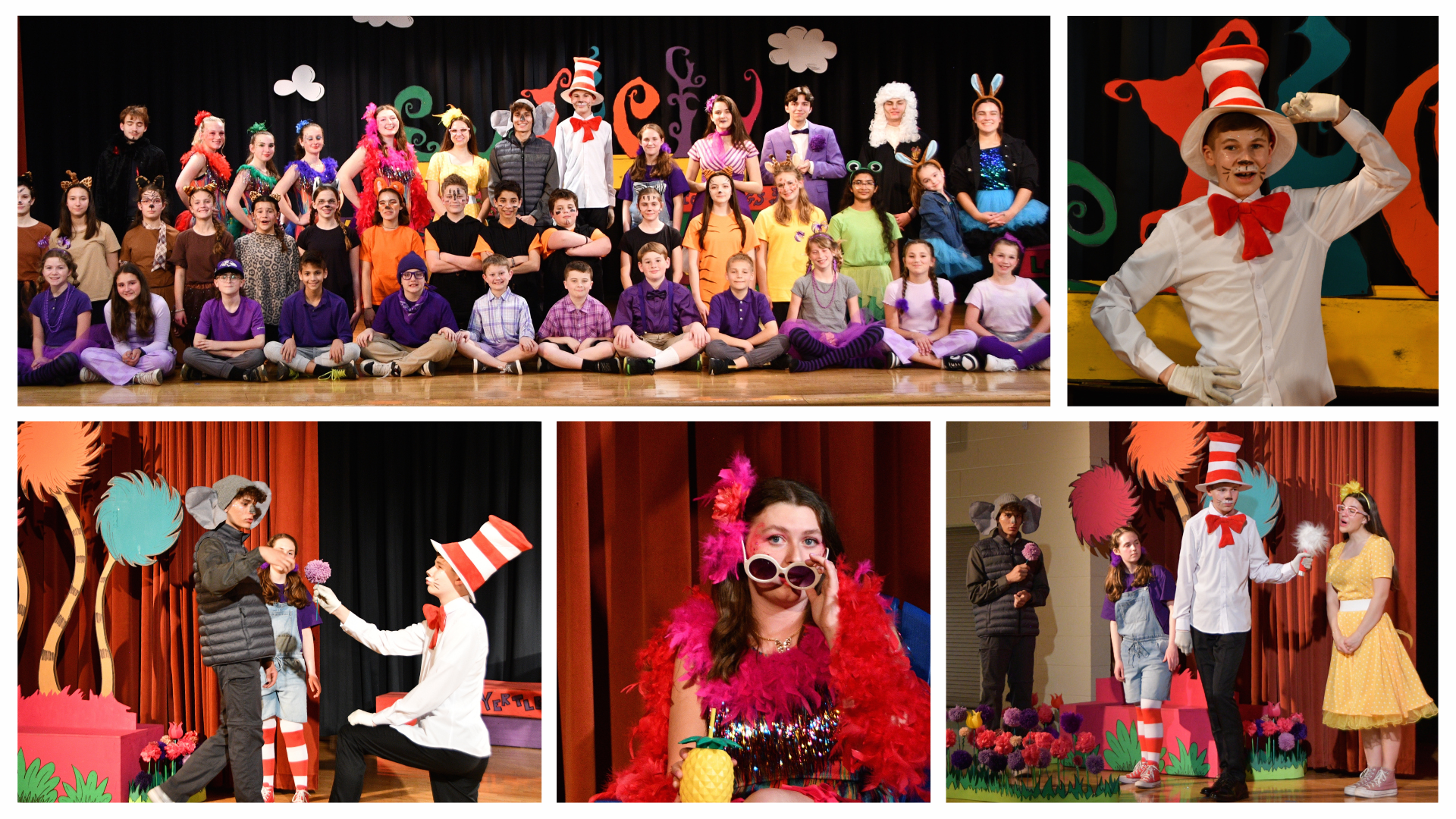
Theatre begins at Faith Christian School in third grade and continues until graduation. We start by looking at theatre as a way to tell stories by acting them out, putting movement and life to the words on a page, and using the imagination to help the audience see the story. It is a wonderful outlet for the creativity and imagination that are naturally at the forefront of young minds.
In Lower School, we focus on foundational theatre skills such as speaking clearly, building self-awareness, and working alongside others. An essential part of theatre is communication, which can be lost if the audience cannot hear or understand the story. The focus on communication is ongoing and is a skill that will help our students on stage, but also in any kind of presentation that they encounter. Knowing how to relay information effectively and having the
Confidence to do so, despite nerves, is a skill that will serve them well way beyond their years at Faith. Allowing our younger students to experience the joy and excitement of performing for others is the first step of their theatrical journey. Performing alongside classmates and in front of our school community is a way to build confidence and pave the way for our students' interaction with theatre as they progress through grades.
In Middle School, students perform plays and monologues as well as learn about different styles and eras of theatre. There are plenty of opportunities for working together in the community, demonstrating responsibility, practicing humility, and building memory skills. The image that always comes to mind for me when working together as an ensemble is from 1 Corinthians 12:12-27. These verses use an analogy of the body, which is made up of different parts with different functions. While each member plays a different part, we are all united in Christ. In theatre, each student gets to participate, even though their contribution may look very different. Each part is needed, and it is the harmony of them all working in collaboration that makes theatre happen. It also teaches us gratitude for those around us as we depend on them and recognize that we each have been created by God for a unique story that is all our own.
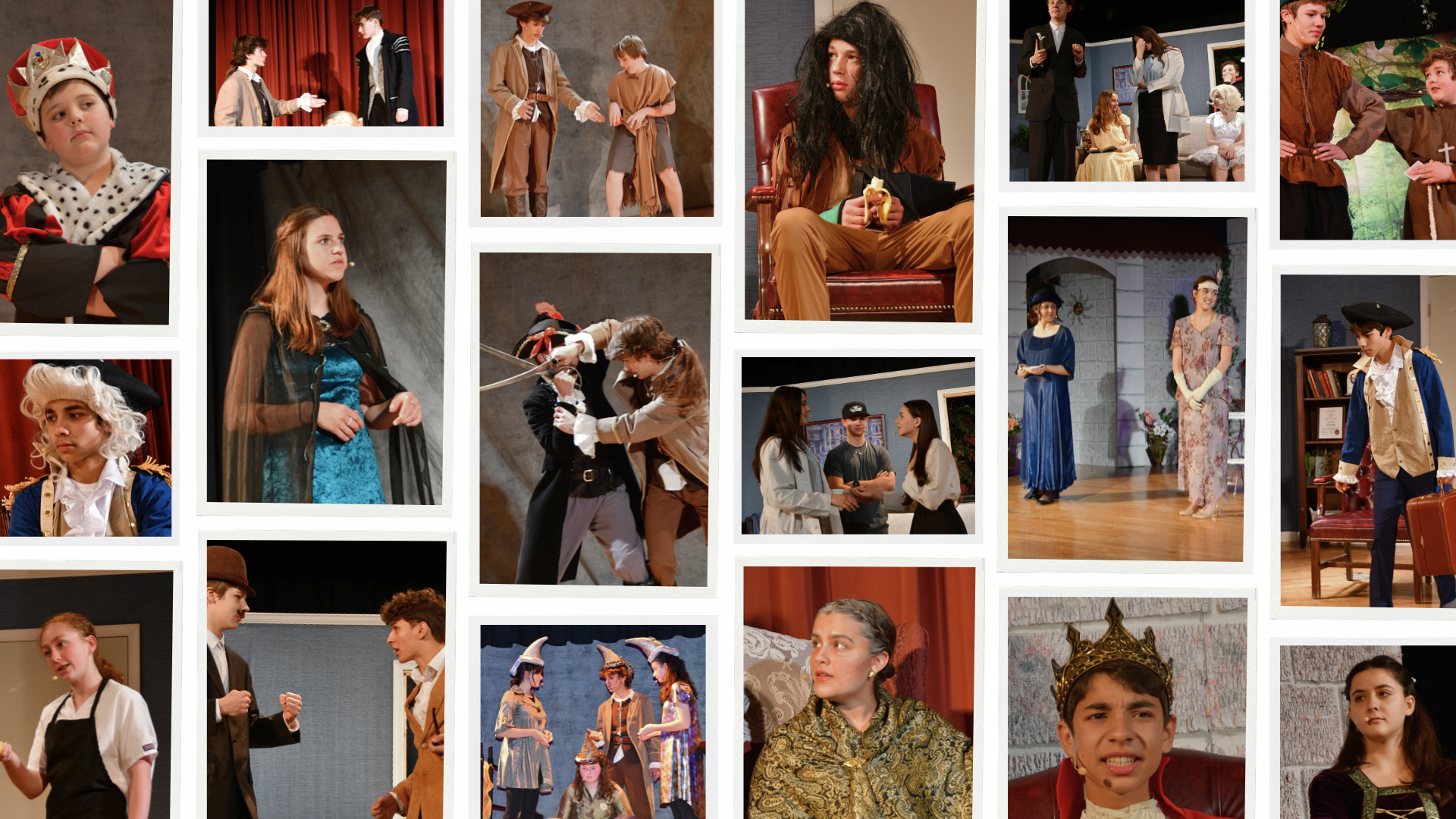
In Upper School, students look at how to create a character in more depth and take on greater responsibility behind the scenes. The joy of creating and performing art to enhance and serve our community is something that can be experienced by all theatre students, but this is especially true for older students who are able to do a lot more of the work themselves. Using skills that they have developed in earlier years, they can generate their own ideas for a character, have a better understanding of the style of a piece, and work on elements that go on behind the curtain, such as costumes, set, backstage help, and sound. A lesser-known skill that our students tap into at all levels, but especially for this age group, is empathy.
When you are required to step into someone else's shoes and portray a character in greater detail, you can see life from someone else’s perspective. To portray them well, you have to think about and understand their story and the journey that they are going through, and then relay this to an audience. There is also greater responsibility for this age group that shows up as both personal responsibility and interdependence as a cast. This fosters a strong sense of community that students get to experience as they journey alongside each other to create a show. Working across grade levels and being part of a cast or crew, and the friendships that are formed, are some of the things that theatre students enjoy the most.
All of these skills are important, but alongside them is something that goes hand in hand with Christian classical education - the love of stories. Theatre is a place where stories are lived out in front of our eyes. Story helps us understand and connect to life and what it means to be human. It allows us to experience another’s plight, joy, accomplishment, failure, fear, dreams, injustice, and so much more.
While not all students may be budding thespians who eagerly anticipate their next opportunity to perform on stage, my hope is that they will take away some very practical skills that will last well beyond their years at FCS. I also hope that students will develop an appreciation of theatre as a magical and transformative form of storytelling with the power to mesmerize an audience and share a timeless form of artistry. Whether they go on to enjoy theatre as a spectator or a participant, this wonderful art form continues the legacy of theatre and is one that I am honored to be part of here at Faith Christian School.
—Anna Millirones, Theatre
-1.png?width=296&height=50&name=Back%20To%20All%20Stories%20(1)-1.png "Back To All Blog Posts")